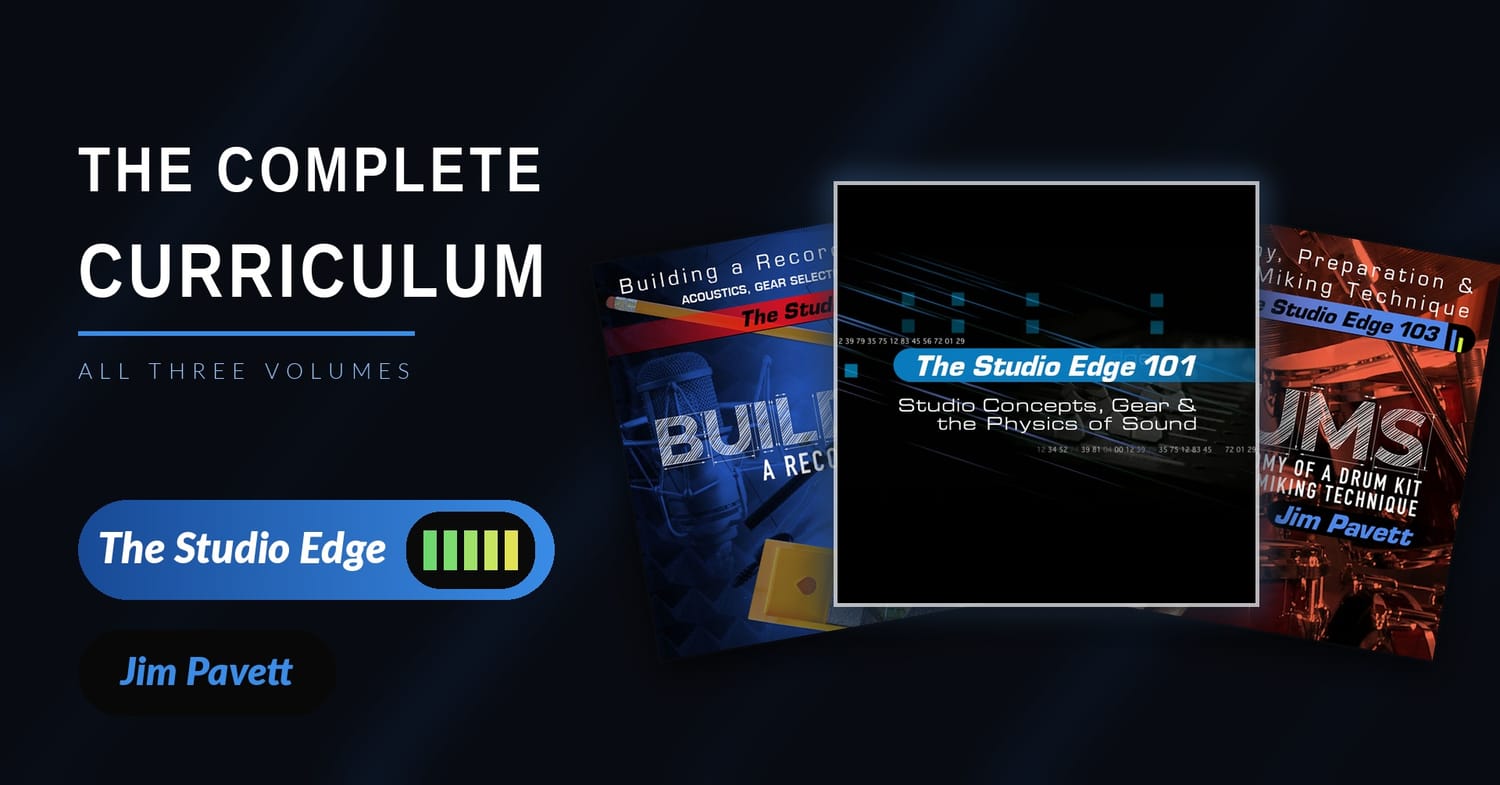
Three Complete Courses. The Foundation, The Room, and The Kit.
There are three places a recording goes wrong, and they aren't independent of each other. The engineering foundation underneath every decision. The room, doing things to your sound before it ever reaches a microphone. And the instrument itself, which was already decided before you miked it.
Most people spend years fixing one of these while the other two stay broken, and can't work out why the results never quite arrive.
246 chapters. Nearly 14 hours.
The whole chain, taught as one connected system.
Comparable courses on the market charge $460 to teach one subject — compression, say, or microphone selection. This is three complete courses, 246 chapters, covering every subject in the chain. About $232 a course. $697 total, or three payments of $259.
30-day money back guarantee.
Are you...
Recording for years, with gear you trust, and still hearing a gap between what you get and what you know is possible?
Suspecting the problem is foundational, but unable to name what's missing?
Tired of advice that contradicts itself from people who've never had to make it work on a deadline?
Ready to understand why things work instead of collecting things that sometimes do?
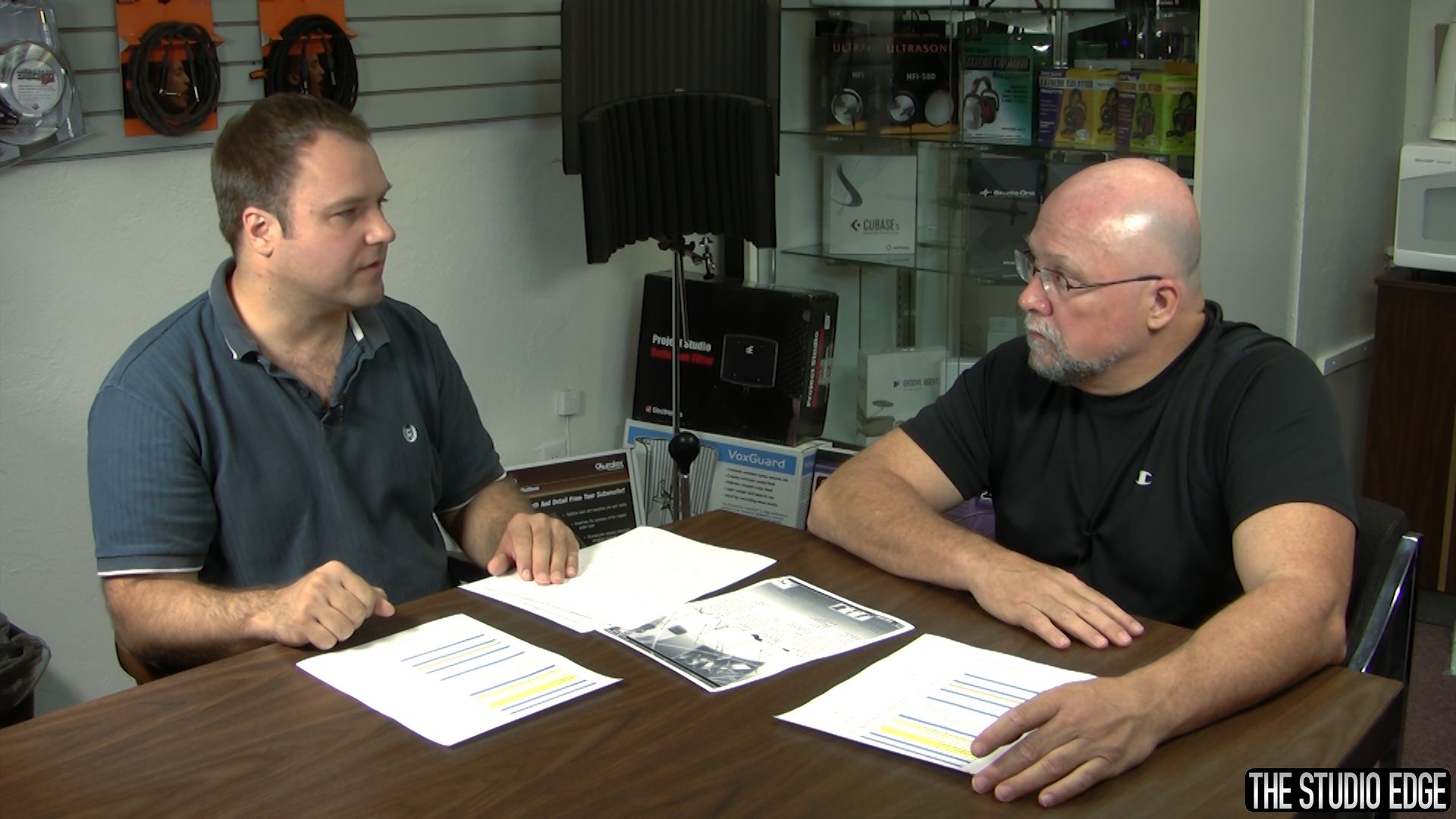
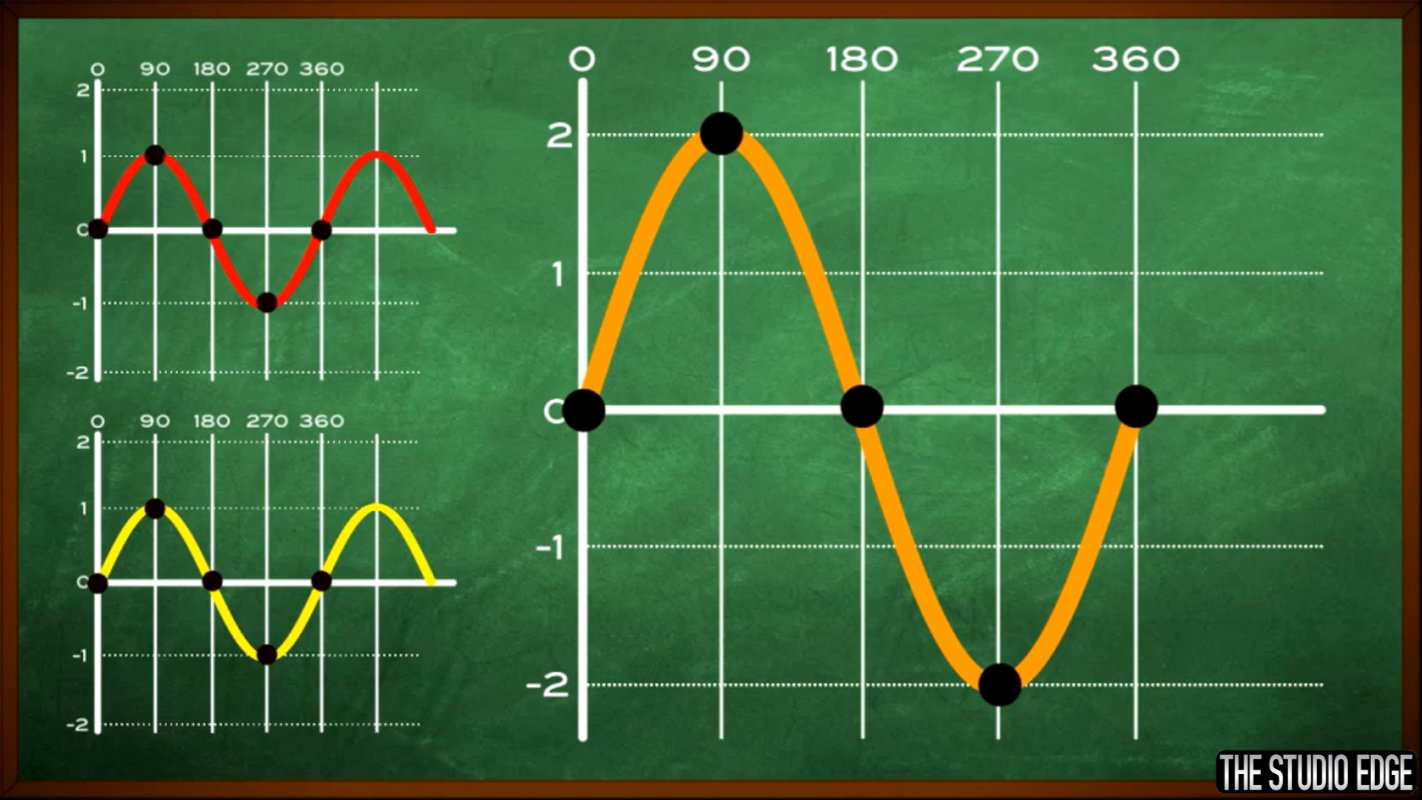
The foundation. The physics, the signal flow, the gain structure. Get this wrong and nothing downstream can rescue it.
The room. What your space does to the sound before a microphone is involved. No amount of gear fixes a room problem.
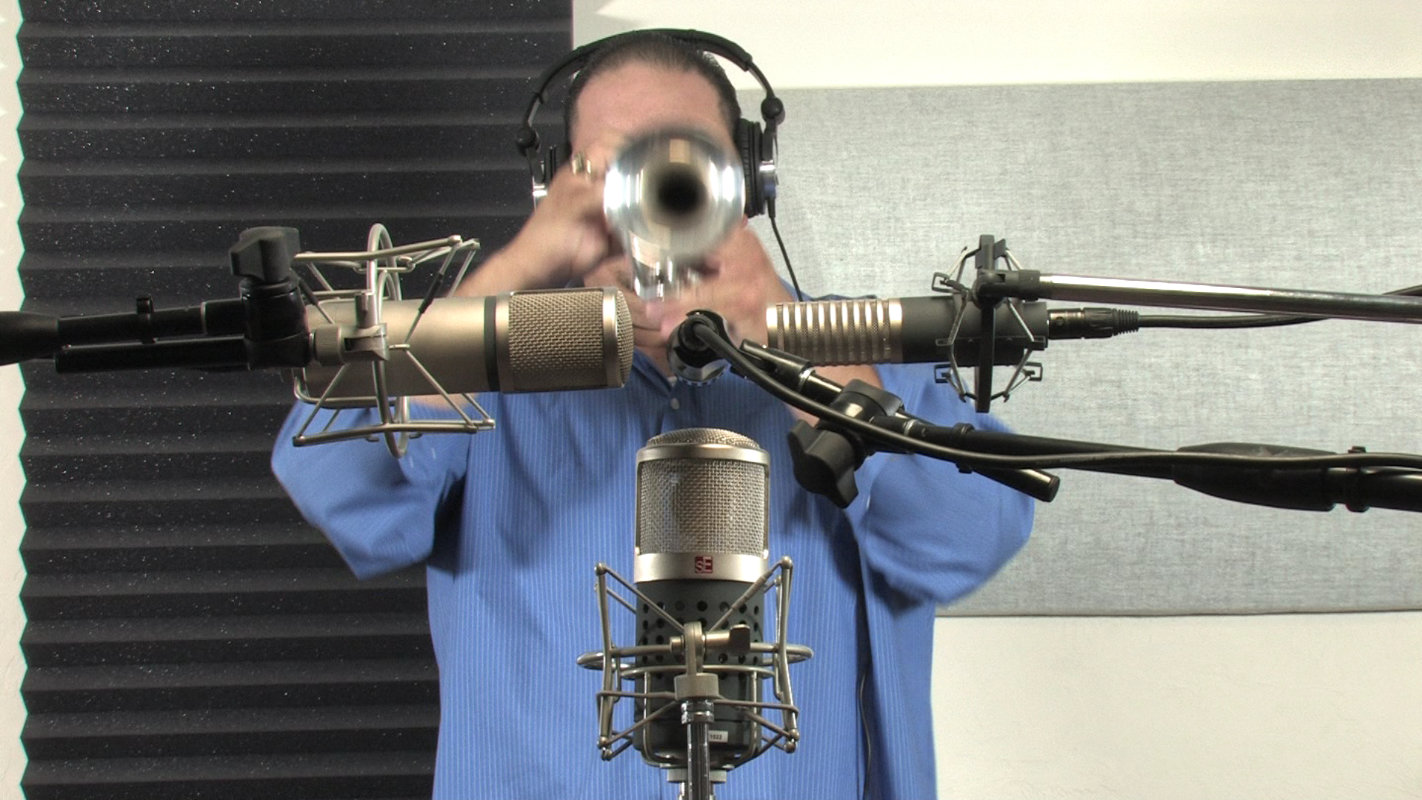
The source. What the instrument is actually doing before you point anything at it. No amount of technique fixes an instrument nobody prepared.
Each volume covers one of them. Together they cover the whole chain — which is the only way any of it actually works.
INTRODUCING
The Complete Curriculum — All Three Volumes


How Do You Know Where a Problem Actually Lives?
A thin recording could be the room. It could be gain structure. It could be a microphone doing exactly what its polar pattern says it will. It could be an instrument that was never going to sound right in the first place.
Without the full picture you're guessing — and every guess costs money, or a session, or both.
The answer is understanding the entire chain from the ground up, the way an engineer thinks about it. That's what these three volumes do:
The physics of sound explained the way an Electrical Engineer explains it
Signal flow from source to storage — every stage, and how each affects the next
Gain staging, the single most ignored discipline in home recording
Microphone theory that tells you why, not just which
Acoustic design from physics rather than foam
A complete gear selection process where each decision informs the next
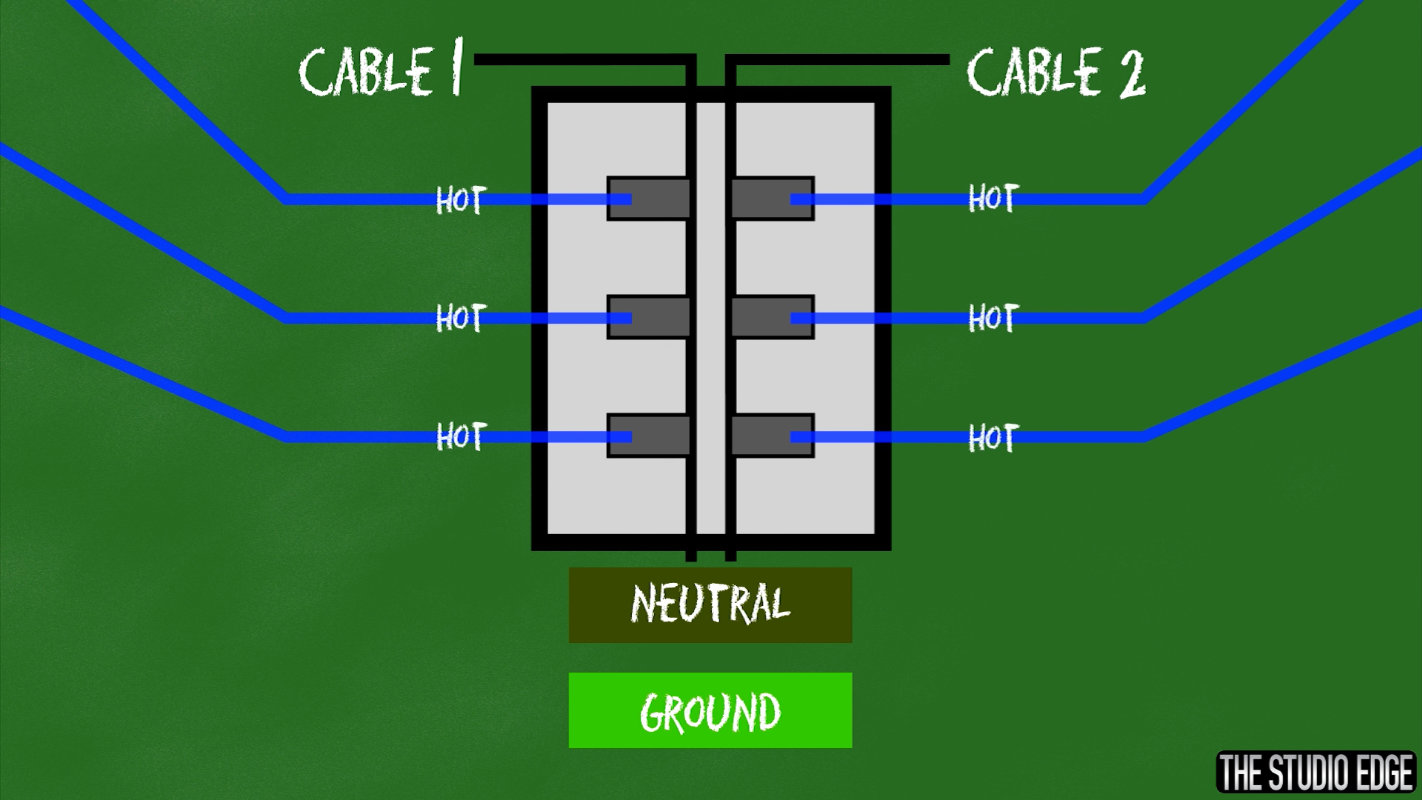
Power, grounding, construction, and the ergonomics of how you work in the room
What a drum kit is doing — shell, edge, heads, tuning — before a microphone goes near it
This isn't a collection of techniques. It's the reasoning underneath professional decisions, from the first principle to the finished take.
This Curriculum Is For...
The experienced recordist who has enough time behind a console to know something foundational is missing
The engineer who wants the reasoning behind professional decisions, not a list of settings
The studio owner or builder who needs the room and the gear to be decisions rather than guesses
Anyone recording drums who is tired of starting halfway through the problem
Built for people who want to know why — not just which knob to turn.
WHAT YOU GET TODAY

The Masterclass
Get instant access to all Modules.
Stream anytime, from any device.
Unlimited Access
Login and watch as often as you like with no limits or expiration date.
The Masterclass
Get instant access to all 4 Modules. Stream anytime, from any device.
Unlimited Access
Login and watch as often as you like with no limits or expiration date.
GET INSTANT ACCESS FOR ONLY
$924 $697
or three monthly payments of $259
246 Chapters · Nearly 14 Hours:
Volume 1 — Studio Concepts, Gear & the Physics of Sound · 92 chapters · 3.6 hours · $269 separately
The foundation everything else stands on. Physics of sound, signal flow, gain structure, microphone theory, digital audio, and how to read a spec sheet like an engineer instead of a shopper.
Volume 2 — Building a Recording Studio, Acoustics & Gear · 74 chapters · 5.75 hours · $359 separately
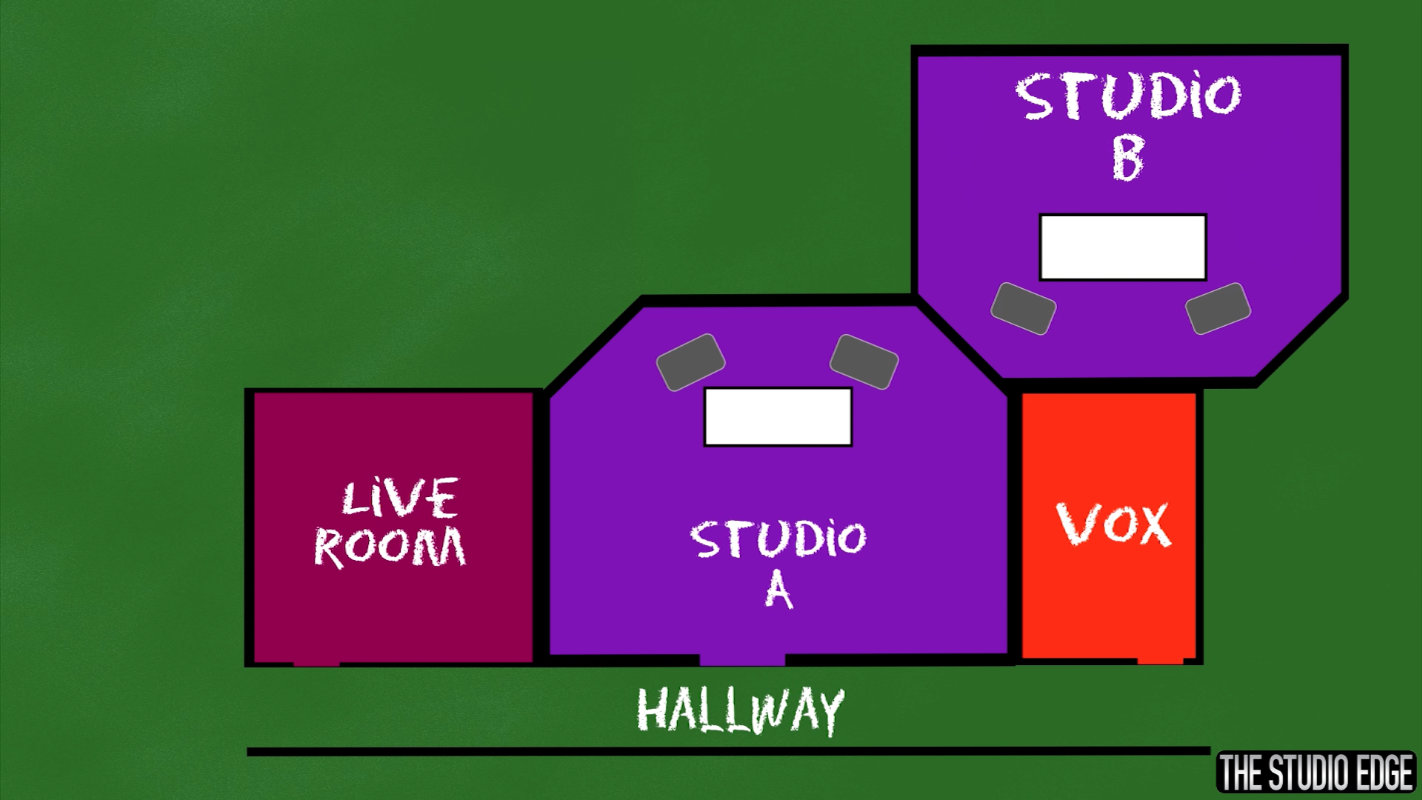
An expansion of everything Volume 1 sets up. Studio philosophy, acoustic design, gear selection, construction, power and grounding, and the ergonomics of how you work in the room. Includes a complete studio build on camera with world-renowned acoustician Gavin Haverstick walking through the full acoustic analysis.
Volume 3 — Drums: Anatomy, Preparation & Miking Technique · 80 chapters · 4.6 hours · $296 separately
Shell, bearing edge, heads, tuning — everything that decides the sound before a mic goes up, then the technique that captures it. Recorded and performed by a drummer who has played on albums with Marc Storace of Krokus, Pat Travers, Ted Nugent and Billy Gibbons.
The Complete Chain, In One Curriculum
Comparable courses on the market charge $460 to teach one subject. This is three complete courses, 246 chapters — about $232 each.
All of this for only
$697
Testimonials
❞
There are too many people in internet land with opinions ranging from coincidentally correct to downright wrong. With The Studio Edge series, I gained the building blocks that I later spent years learning from its author and can legitimately say it is the best path to start learning the art of recording and sound engineering
-Hinde
❞
This is an awesome series and well worth the minor investment. Jim Pavett nails it man! The man knows his drums and is obviously quite a respected engineer here in the southwest. I will watch this again and again because Jim details everything you need to know about real drums and how to capture them in a recording. I am going out tomorrow and buy new heads and cymbals for my studio kit.
— Blund69
❞
Obviously knows his stuff. Clear and well presented.
— Toby
FEEDBACK related to this course
Marky
Wow.. this guys really knows his stuff. Makes me remember how new I really am. But thanks to this tutorial I'll be mixing like a pro in no time! :)
Hinde
A great course with precise and complete information, on almost everything you need to know, to start a career in the audio world.
Ren
Jim Pavett goes deep down to the level of electronics, covers studio and sound basics extensively. Must watch this course again. Tons of info.
Brock
I am a big fan of Jim Pavett's courses. So many of these lessons contain solid fundamentals of being a music producer or engineer.
BH
Loads of basic concepts that everyone should have in mind before even touch a recording gear. Really good!
About Jim Pavett
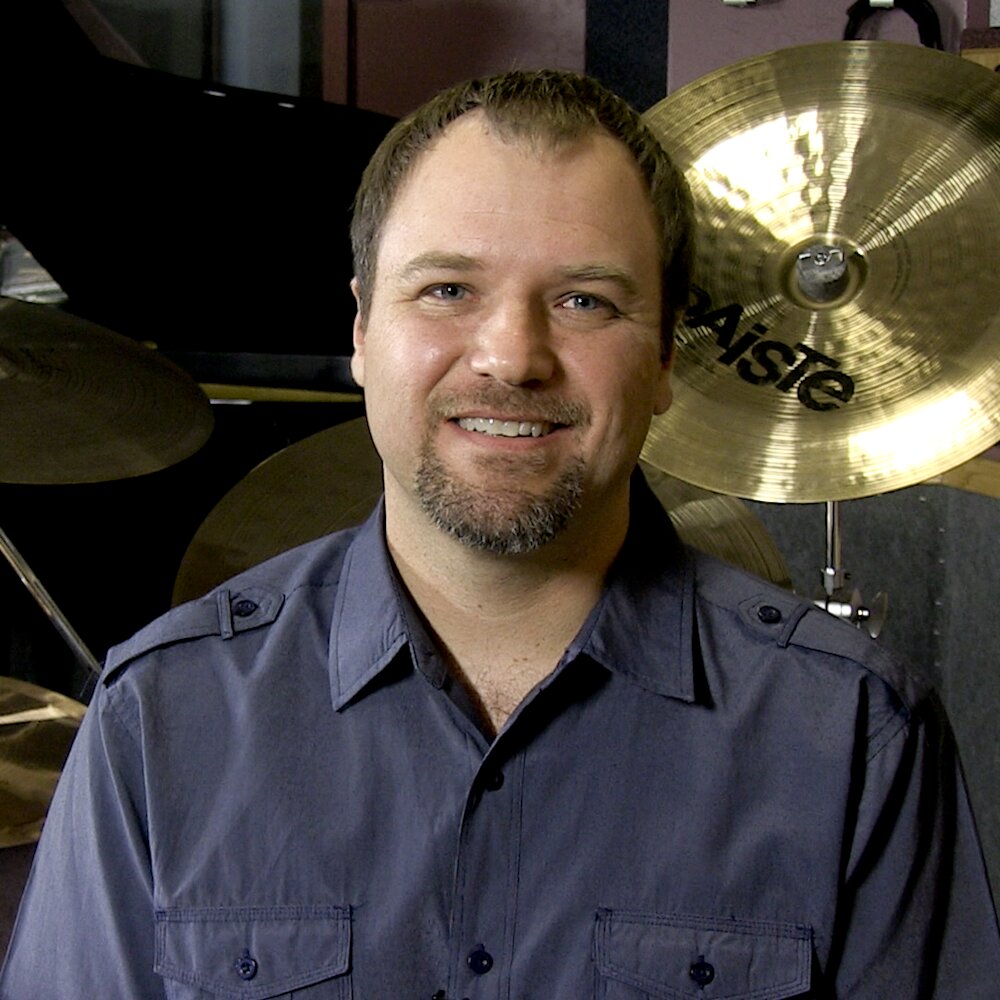
B.S. Electrical Engineering, University of Arizona. Commercial studio engineer since 1984. Designing and building recording studios since 1994. Owner of Allusion Studios, Tucson — forty years of real sessions with real clients.
Engineering credits include Alicia Keys, Boyz II Men, Patrick Stump of Fall Out Boy, Marty Friedman and Andrew Colyer of Kansas. Live remote concert engineering for Alicia Keys, Doyle Bramhall, Boyz II Men and Nellie McKay. Engineered Grammy-nominated projects, with work carried by CBS, Netflix and Spotify.
He's also a drummer — played on albums with Marc Storace of Krokus, Pat Travers, Ted Nugent, Billy Gibbons of ZZ Top, Les Dudek and Frank Marino.
Featured in Mix Magazine and Pro Sound News. Contributing writer for Pro Audio Review. Panelist at the Tape Op / Pot Luck Recording Convention. Curriculum author since 2010.
Most recording educators teach from experience. Jim teaches from experience and a degree most of them simply don't have.
Are You Ready to Understand the Whole Chain?
Every decision you make in the studio from this point forward will be an informed one. Not guesswork. Not habit. Knowledge.
246 chapters. Nearly 14 hours. The foundation, the room and the kit — taught as the connected system they actually are. Full access the moment you enroll. Unlimited access. No expiration.
30-Day Money Back Guarantee
Go through all three volumes. If you don't feel you got real value from them — hit reply to any email from us and I'll refund your purchase personally. No questions asked. No forms. No hoops.
I've been engineering commercially for 40 years. I'm not worried about the guarantee.
— Jim Pavett
Frequently Asked Questions
Bought separately, the three volumes are $924 — so the bundle saves you $227.
The more useful comparison is outside. Comparable courses on the market charge $460 to teach one subject — compression, say, or microphone selection. This is three complete courses, 246 chapters, covering the foundation, the room and the instrument. That works out to about $232 a course.
With a 30-day money back guarantee, so you can go through all three and decide afterwards.
Everything, immediately. All 246 chapters unlock the moment you enroll, including on the payment plan. Nothing is gated and nothing drips. Stream from any device, unlimited access, no expiration date.
Volume 1, worked through in order — it's the foundation the other two stand on. Volume 2 follows directly from it and should also be taken in order, since each decision in it informs the next. Volume 3 stands on its own and can be taken whenever, though you'll get more out of it having been through the first two.
When appropriate we supply additional files to supplement the chapter. Volume 2 includes a complete real-world studio build on camera with the full acoustic analysis. Volume 3 includes recorded audio samples of different shell materials, head configurations and stick tips on cymbals, along with frequency response charts — so you hear and see the differences between variables rather than just reading about them.
No. Volume 1 starts at the beginning and assumes nothing. It's built from first principles, so someone genuinely new can work through it and come out understanding the physics behind every decision in the studio — not just what to do, but why it works.
Volume 2 is a step up. It's a lot of material for someone brand new, but it's entirely manageable once Volume 1 is properly understood. That's why I recommend taking them in order.
What the curriculum does assume is that you want to know why, not just which knob to turn. If you're after a list of settings, this isn't it. If you want the reasoning underneath, experience level matters far less than you'd think.
If you've spent any time searching for recording advice, you've seen it: tips that sound impressive but fall apart in practice because there's no context behind them, and advice that contradicts other advice with no way to tell which is right.
A trick without context is just noise. Without understanding why it works, when it works, and what happens if you change one variable, that tip can make your sound worse.
I built this curriculum to solve that — to teach you not just how to do something, but how to think about the signal chain, the room and the instrument the way an engineer understands them. When your knowledge is solid, you stop guessing and start making decisions with confidence.
It isn't included, because everything in it is already inside Volume 3. I'm not going to charge you twice for the same chapters.
Nearly 14 hours across 246 chapters, in three volumes. All you need is an internet connection and any device — computer, tablet or phone. You'll receive access instructions by email immediately after purchase. No expiration date; it's yours to keep and revisit.